Eating Pace
Tarlena Almanac is shaped by a small editorial team committed to observation over guideline — to recording how people actually eat, not how they are told they should.

Year the journal began
Tarlena Almanac grew out of a personal record kept by founding editor Eleanor Marsden during a year of heavy commuting between London and the Midlands. Eating on trains, in stations, at desks — the meals taken in motion — led to a sustained enquiry into what conditions shape not just what people eat, but how much, how fast, and with how much attention.
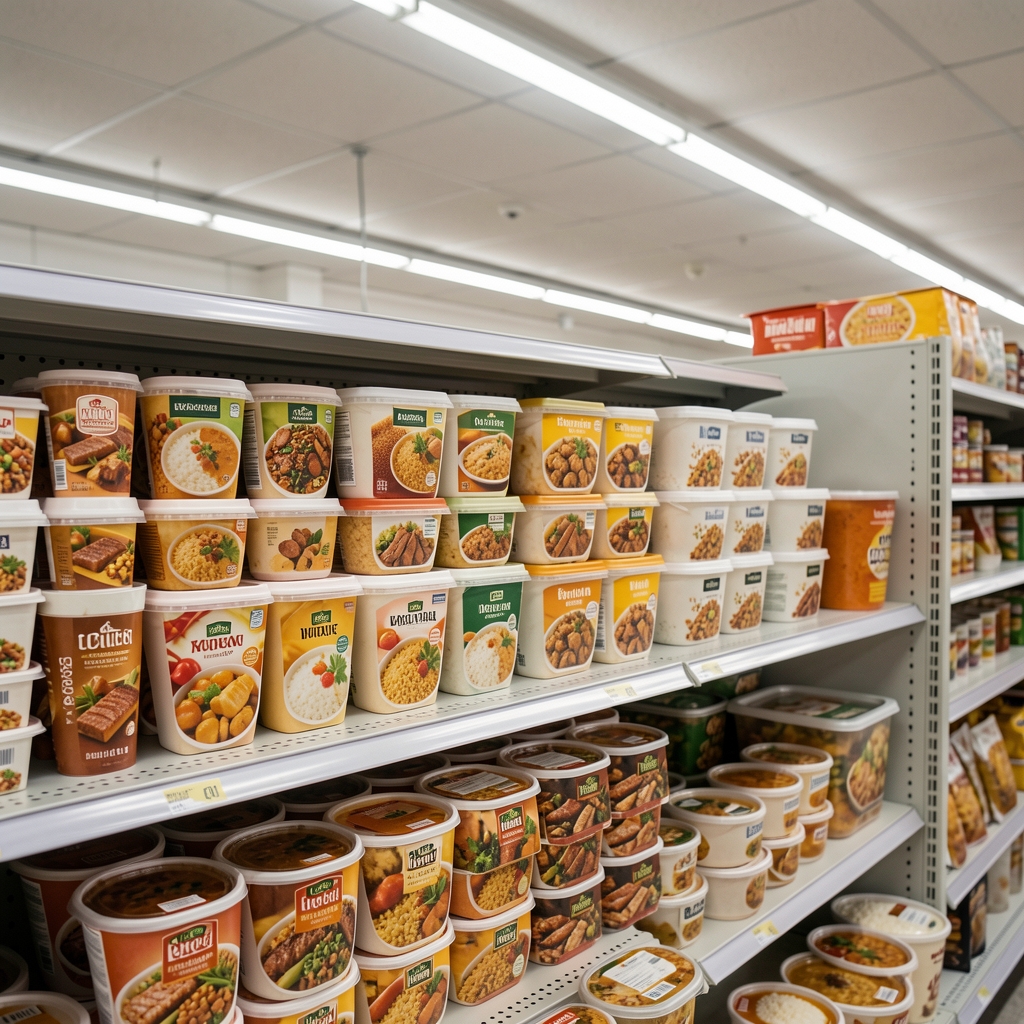
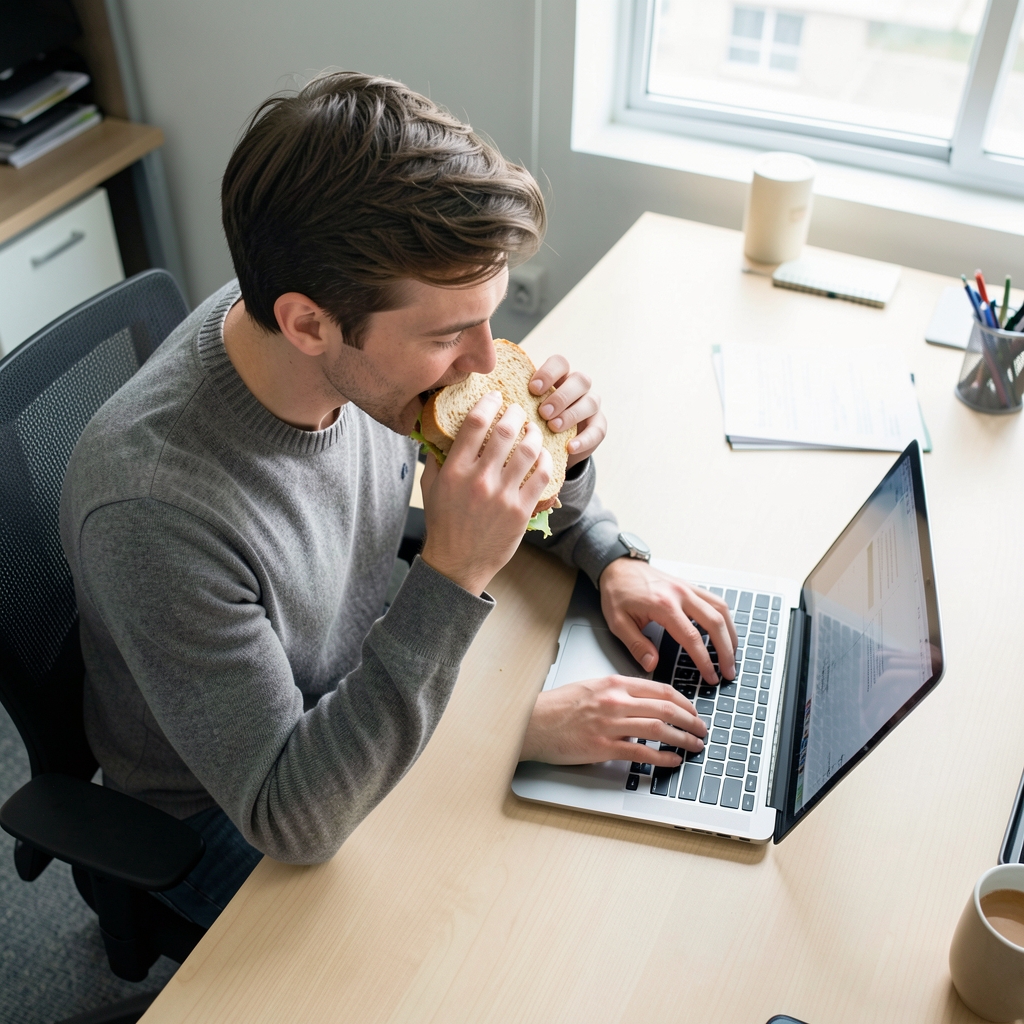
The original notebooks filled three volumes before Marsden began to notice patterns that seemed worth a wider readership. The hurried breakfast replaced by a protein bar. The desk lunch eaten in under ten minutes, eyes on a screen. The dinner assembled from a ready-made box and consumed without ceremony. These were not exceptional observations — they were, she came to understand, the ordinary texture of eating in contemporary Britain.
The almanac format was chosen deliberately: a periodic archive of observations, attentive to season and circumstance, never claiming more authority than careful, well-sourced editorial attention can provide.
Eleanor Marsden has spent over a decade writing about the relationship between time, environment, and food behaviour. Before founding Tarlena Almanac, she contributed to several independent food and culture publications and held an editorial role at a quarterly journal focused on urban living patterns.
Her approach to writing is field-first: observations gathered in situ, cross-referenced with published research literature, and tested against lived experience. She is based in London EC1.

Tobias Whitfield joined the almanac in its second year, bringing a background in food sociology and a particular interest in the screen-based habits that shape modern mealtimes. His writing focuses on the intersection of technology, attention, and eating behaviour.
Whitfield reviews the latest published food behaviour research before each piece and maintains the almanac's source documentation. He is a contributing member of several independent editorial collectives in London.
How fast or slowly people move through meals, and what that pace is associated with in published food behaviour research. We examine rushed eating habits, slow eating practice, and everything in between.
The ready-made meal, the takeaway, the desk snack — not as failures of willpower, but as rational responses to time pressure and environmental constraint. We observe the patterns without judging the choices.
Screen-accompanied eating, eating while working, eating in transit — the circumstances in which attention is divided and what food behaviour research suggests about the effects of that division on appetite and portion awareness.
The physical and social context of eating — the kitchen table versus the work desk, the shared dinner versus the solo meal — and what environment contributes to a more measured or a more hurried eating rhythm.
The connection between attention, pace, and portion size. How much we eat is often shaped less by hunger than by the speed, context, and company of the meal itself.
The full texture of ordinary eating in modern Britain: its rhythms, its shortcuts, its habits and patterns — observed through editorial field notes and cross-referenced against published nutritional research.
"Tarlena Almanac is an independent editorial publication exploring everyday eating habits, food pace, and meal behaviour in modern life. The publication is not affiliated with any commercial, governmental, or institutional body."